1
Doreen, VIC3-bedroom houses
Typical value$785,916
1Y growth8.99%
Gross yield3.56%
Vacancy1.08%

A practical read on how the brief translates into a suburb screen and a property-level search.
Buying another property is not the same as improving the portfolio. The next asset needs a clear job: strengthen growth, protect serviceability, improve rental appeal, create usable equity or keep the next purchase within reach. If it cannot do that on conservative assumptions, it should not progress.
An $800,000 budget opens several markets, each with different trade-offs. Compare supply, demand, affordability, resale depth and cycle position first. That narrows the search before a polished listing or agent campaign starts shaping the decision.
A suburb average can hide large differences between pockets and streets. Examine where buyer demand, housing quality and local risks change, then test the exact street and property. The suburb may pass while the address does not.
On-market, pre-market and off-market access creates more choice, not automatically better opportunities. Every property still needs to pass the same location, land, layout, due-diligence and price tests.
Comparable sales establish a supportable range. Quote history, buyer interest, the vendor's position, competing offers and timing then shape the negotiation. The walk-away price is set before urgency enters the room.
A signed contract does not make the property ready to hold. Property management, required preparation, leasing and any approved works need a clear sequence so the property can begin operating as intended without unnecessary delay or cost.
The Corala acquisition process, from the first assumptions through to a property that is ready to hold.
A fully weighted, data-led screen across 14,500+ suburbs and 80+ metrics: supply, demand, infrastructure, demographics and historical trends, narrowed to a shortlist that fits your brief.


Use the suburb median as a guide, not a limit. Recent growth shows what has happened, not what comes next. For a four-to-six-year hold, we favour markets with room to grow and properties that still make sense at today's price.

The screen placed a typical three-bedroom house at about $786,000, with a 3.56% gross yield and 8.99% growth over the previous year. Broader suburb data showed an $826,000 house median, tight supply and 82% owner occupation. The four-year model was 28%, with medium confidence.
Current street data shows options within budget in Eliot Avenue, Nancarrow Drive and Painted Hills. We would focus on an established house with a workable block and enough headroom for improvements.

The screen placed a typical three-bedroom house at about $588,000, with a 4.23% gross yield and 17.37% growth over the previous year. Broader suburb data showed a $585,000 house median, 1.9 months of supply and 81% owner occupation. The four-year model was 27.2%, with low confidence.
A typical three-bedroom price below $600,000 leaves room for due diligence and measured works. The larger pool of sales and listings also gives us more choice, but recent comparable sales must still justify the entry price.

The two-bedroom screen showed a value of about $581,000, a 4.22% gross yield and 7.16% growth over the previous year. Broader house data sat between $717,000 and $748,000, with tight supply. The four-year model was 29.3%, with medium confidence.
Two-bedroom pricing leaves useful budget headroom, but the headline figures mix different property types. The live property still needs usable land, a fair entry price and comparable evidence for any proposed works.
The HtAG screen used houses, capital growth, $550,000-$850,000, medium risk and a four-to-six-year horizon. It returned 29 matches from data dated 31 August 2026. Restricting one-year growth to at least 5% but below 10% reduced the field to 10 and placed Doreen first; Grovedale was the fourth row using two-bedroom houses. Corala then applied the physical property brief, including established-house depth, usable land, price headroom and resale breadth. Provider medians describe the middle of their datasets; they are not property-level purchase limits, and suitable stock may transact below them. One-year growth is backward-looking context rather than proof of cycle stage. HtAG ranks and Microburbs forecasts are screening signals, not guarantees, and their price measures differ because of dataset, date, bedroom scope and methodology. Grovedale data was refreshed on 10 September 2026; the earlier Doreen and Traralgon Microburbs checks remain dated 8 September 2026. Every property still needs title, planning, building, insurance, rental and comparable-sales review.
The wider national market screen is retained for reference. These are the 10 suburbs returned when one-year growth was restricted to at least 5% but below 10%. They are screening results, not equal recommendations.
HtAG data was current to 31 August 2026. The filter set was houses, suburbs, capital growth, $550,000-$850,000, medium risk, four-to-six years, with one-year growth of at least 5% but below 10%. Bedroom scope is shown because several rows are based on two-bedroom rather than three-bedroom stock. Doreen and Grovedale come directly from this restricted-growth result. Traralgon sits outside it and remains on the working shortlist because the separate property overlay identified land and price-headroom characteristics worth testing. Every market still requires Microburbs, live listing, comparable-sales, hazard, insurance and property-level review.
A suburb median hides what happens block by block. These two pocket-level examples show the reported median house price and ten-year growth for individual pockets inside Doreen and Grovedale. The spread is the point: suburb selection narrows the field, but the exact pocket still matters.
The Doreen Microburbs report was checked on 8 September 2026 and Grovedale on 10 September 2026. The ten-year pocket figures are historical model outputs, not forecasts, and some extreme values may reflect thin samples, changing housing mix or local development. Use these maps to demonstrate dispersion and choose areas for deeper review, not as performance targets. Every live property still requires street, title, planning, hazard, insurance, building and comparable-sales checks.

Doreen: price and ten-year growth vary widely across the suburb, so the suburb average is only a starting point.

Grovedale: the pocket-level data shows pocket medians from roughly $597,000 to $1.3 million and ten-year growth from about 33% to 174%. That dispersion makes pocket and property selection essential.
Once suburbs are locked, we source and pressure-test every opportunity, on-market, pre-market and off-market, and read the campaign behind each listing.
Land, light, location and layout underpin an A-grade asset. They shape buyer and tenant appeal, support capital growth, and are difficult, expensive or impossible to change.
Title, site area, frontage, slope, access, easements, services, zoning, overlays and the practical feasibility of any value-add idea.
Orientation, natural light, overshadowing, privacy, ventilation and whether future works or neighbouring development could compromise the asset.
Microburb, street quality, noise, hazards, transport, schools, amenity, tenant demand and the depth of future owner-occupier resale appeal.
Accommodation, circulation, parking, wet areas, structural logic and whether a simple improvement can add utility without overcapitalising.
A property only progresses once the relevant risks are identified, evidenced and priced. The scope is proportionate to the asset and the proposed works.
Independent comparable-sales analysis for the current condition, then a conservative completed-value test using genuinely comparable improved properties.
Conveyancer or solicitor review, title interests, zoning, overlays, easements, approvals and a property-specific planning check for the proposed improvement.
Building and pest inspection, drainage, major services, environmental and natural-hazard layers, plus insurability and realistic premium terms.
Independent rent evidence, vacancy and tenant demand, works and holding costs, finance assumptions, property management and a cash-flow sensitivity check.
Corala reviews on-market, pre-market and off-market opportunities. Earlier access expands the available stock; it does not establish that a property is cheaper or better. Every opportunity is assessed against the same brief, 4Ls, due-diligence and valuation standards.
This section describes the decision process. No individual property has yet passed these checks, and no value-add pathway is assumed to be approved or commercially feasible until it is verified for the specific address.
Illustrative outputs showing how property due diligence, comparable evidence, growth potential and risks are brought together for a live opportunity.


 Worked exampleSee how comparable-sales analysis sets a supported value rangeView the separate analysis →
Illustrative examples of properties surfaced through agent relationships before or outside a standard public campaign.

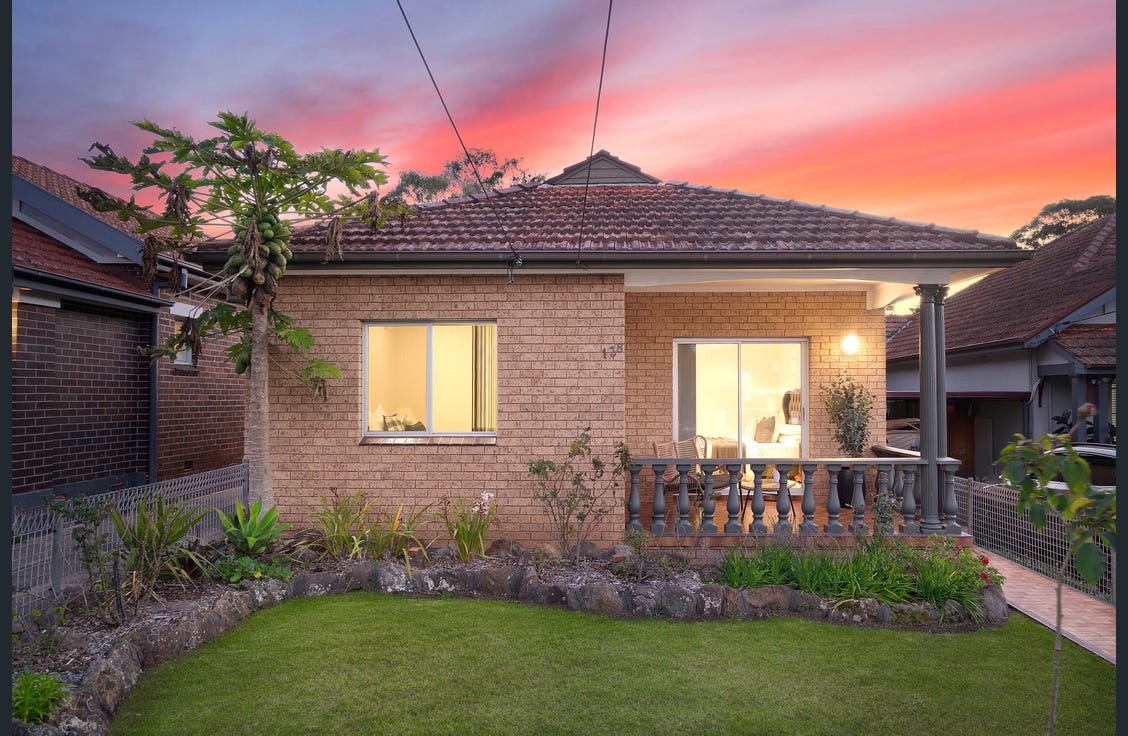
Illustrative examples of how screened properties are presented for review before a decision is made.


The listing is only one version of the story. Corala records the guide and quote history, campaign timing, competing interest, vendor position and the selling agent's behaviour before deciding how to engage.
Compare the guide, comparable evidence and likely vendor expectations. A low guide, changed range or withheld price is campaign information, not proof of value.
Test what the agent is saying against prior campaigns, written follow-up and observable buyer activity. Separate useful intelligence from selling pressure.
Track days on market, inspection activity, offer deadlines and auction timing. Structure the approach around evidence and alternatives, not artificial urgency.
Set an evidence-supported price range and a clear walk-away point before negotiating. Price and terms only move while the investment case remains intact.
Examples of the campaign evidence reviewed when testing price guidance, agent behaviour, timing and competition.


Included to mirror the pricing structure shown on the original example page. Confirm Corala's current commercial terms and client agreement before external use.
For the complete brief, Corala would confirm the investor's personal constraints before turning this screen into an acquisition recommendation.

The value-add only counts if the purchase price, approvals and finished economics still work.
This material has been prepared by CORALA Group Pty Ltd for general information and educational purposes only. It is not financial, legal, tax or personal investment advice and does not take into account any person's objectives, financial situation or needs. Seek independent professional advice before making a property or investment decision.
The suburb and property examples are an initial screen, not recommendations to buy. Listing information is supplied by third parties and can change without notice. Property investment involves risk, including market, finance, vacancy, building, planning, insurance and liquidity risk. Past performance and recent price movement are not reliable indicators of future performance. Corporate Real Estate Agency Licence #4971421.